Dental implants are a popular option for replacing missing teeth, but the treatment involves a healing period before the final replacement tooth can be fitted. Understanding dental implant healing time can help you prepare for treatment, follow your dentist’s advice, and support a smoother recovery.
For patients considering dental implants in Wellington, the recovery timeline depends on factors such as bone health, gum condition, the complexity of surgery, and whether additional procedures are needed. At Real Dentistry, discussing your individual treatment plan with your dentist can help you understand what to expect at each stage.
How Long Does Dental Implant Healing Take?
Dental implant healing can take several months. Many implants need around 3 to 6 months to integrate with the jawbone, although some cases take less or more time. This process is called osseointegration.
The overall timeline depends on whether bone grafting is required, the implant’s location, and your general oral health. Some patients may receive a temporary tooth during healing, while others may need to wait before their final crown is attached.
Dental Implant Recovery Timeline
Here is a general guide to the implant healing process:
| Recovery stage | What to expect |
| First 24–72 hours | Mild swelling, tenderness, or bruising may occur |
| First week | Initial discomfort usually begins to improve |
| First 1–2 weeks | Gum tissue continues healing; stitches may dissolve or be removed |
| Following 3–6 months | The implant may integrate with the jawbone |
| Final restoration | Your dentist checks healing before attaching the permanent crown or other restoration |
These timeframes are approximate, not guarantees. Your dentist will determine when the implant is ready for the next stage.
Understanding the Implant Healing Process
Stage 1: Immediately After Implant Surgery
After implant placement, it is normal to experience some tenderness, swelling, minor bleeding, or bruising. These symptoms generally improve over the first few days.
Your dentist may recommend cold compresses, prescribed or appropriate pain relief, and rest. Follow the specific instructions provided by your dental team, particularly regarding medication and eating.
Stage 2: Gum Healing
During the first one to two weeks, the gum tissue around the implant begins to heal. Keeping the area clean is important, but brushing and rinsing should be done according to your dentist’s instructions.
Choose soft foods initially and avoid chewing directly on the surgical site. Do not disturb the wound or touch the implant area unnecessarily.
Stage 3: Osseointegration
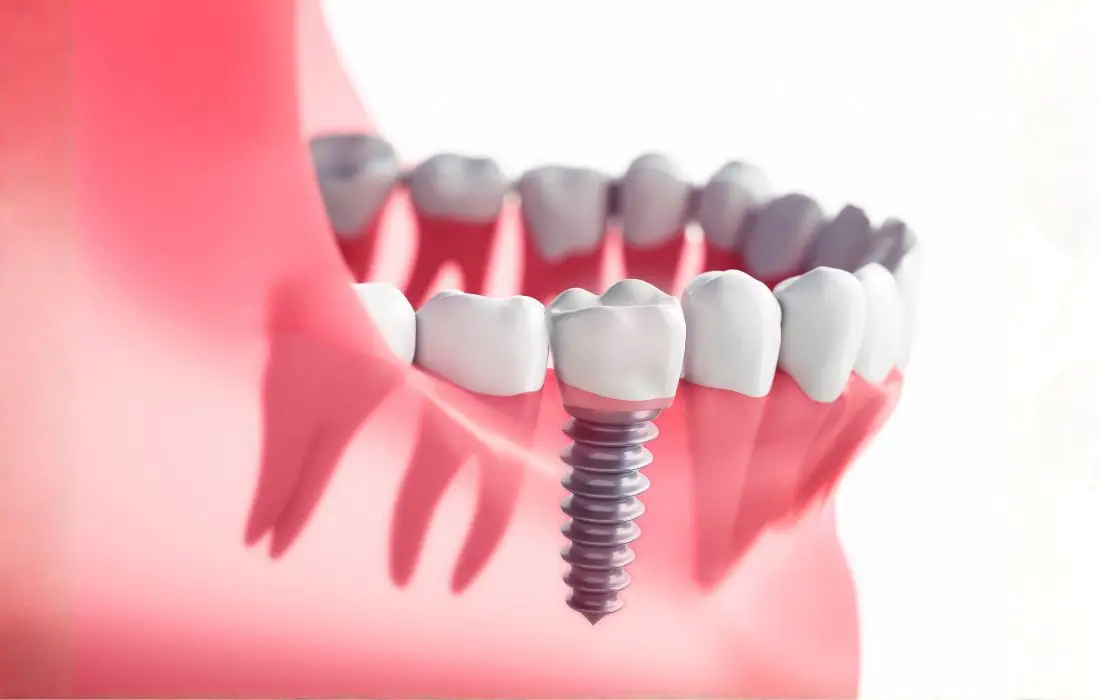
Osseointegration occurs when the jawbone grows around and bonds with the implant surface. This stage is essential for creating a stable foundation for the replacement tooth.
Although the gums may look healed, the implant may still need time to integrate with the bone. Avoid putting excessive pressure on the area and attend all scheduled reviews.
Stage 4: Attaching the Replacement Tooth
Once your dentist confirms that healing and implant stability are satisfactory, the final crown, bridge, or denture attachment can be fitted, depending on your treatment plan.
Your dentist will check the fit, bite, and comfort of the restoration before you return to normal function.
Dental Implant Aftercare: Tips for a Smooth Recovery
Good dental implant aftercare helps protect the surgical site and supports healing. Always prioritise the instructions given by your dentist.
1. Follow Your Dentist’s Instructions
Take medication only as directed and follow advice about cleaning, rinsing, and follow-up appointments. Do not stop prescribed medication or change your dosage without professional guidance.
2. Choose Suitable Foods
For the first few days, choose soft foods such as yoghurt, scrambled eggs, mashed vegetables, and lukewarm soups. Avoid hard, crunchy, sticky, or very hot foods while the area is tender. Gradually return to your usual diet as advised.
3. Maintain Gentle Oral Hygiene
Keep your mouth clean while avoiding direct trauma to the surgical site. Brush your other teeth carefully and use any recommended rinse as instructed. Do not aggressively rinse or spit during the initial recovery period.
4. Avoid Smoking and Excessive Alcohol
Smoking can interfere with healing and increase the risk of implant complications. Avoid smoking during recovery and discuss support for quitting with your healthcare professional. Follow your dentist’s advice about alcohol, especially if you are taking medication.
5. Rest and Avoid Strenuous Activity Initially
Take it easy after surgery. Your dentist may recommend avoiding vigorous exercise for the first few days, depending on the procedure and your recovery.
What Can Delay Dental Implant Healing?
Several factors may affect dental implant healing time, including:
- Smoking or tobacco use
- Poor oral hygiene or gum disease
- Uncontrolled diabetes or certain health conditions
- Insufficient jawbone support
- Bone grafting or other additional procedures
- Infection or excessive pressure on the implant
- Certain medications that may affect healing
Your dentist will review relevant medical history and explain any factors that could affect your treatment. Do not change prescribed medication without speaking to the clinician who manages it.
When Should You Contact Your Dentist?
Some swelling and discomfort can be expected after implant surgery, but symptoms should generally improve rather than worsen.
Contact your dentist promptly if you experience increasing pain or swelling, persistent bleeding, pus, fever, or an unpleasant taste accompanied by other symptoms. Seek urgent medical attention for difficulty breathing or swallowing or rapidly spreading swelling.
If you are researching dental implant recovery Wellington, remember that professional follow-up is an important part of treatment. Your dentist can assess healing and advise you when it is safe to progress to the next stage.
Our related guide: Tooth Replacement Options in Wellington: A Complete Guide
Frequently Asked Questions
1. How long does a dental implant take to heal completely?
Many implants need approximately 3 to 6 months to integrate with the jawbone. The complete treatment timeline can be longer if bone grafting or other procedures are required.
2. How long does pain last after dental implant surgery?
Discomfort is often most noticeable during the first few days and should gradually improve. Worsening or persistent pain needs assessment by your dentist.
3. Can I eat normally after dental implant surgery?
You will usually need soft foods initially and should avoid putting pressure on the surgical site. Return to firmer foods gradually, following your dentist’s advice.
4. How can I speed up the implant healing process?
You cannot safely force the bone to heal faster, but you can support recovery by following aftercare instructions, maintaining oral hygiene, avoiding smoking, eating appropriately, and attending follow-up appointments.
5. When can I get my permanent crown?
Your dentist will fit the permanent crown when the implant has healed sufficiently and is stable. Timing varies depending on your individual treatment plan.
Ready to Take the Next Step Towards a Healthier Smile?
A successful dental implant journey starts with the right advice and a clear understanding of your treatment options. Real Dentistry in Wellington can help you understand the implant healing process, expected recovery time, and aftercare recommendations relevant to your needs.
Don’t let uncertainty delay your next step. Contact Real Dentistry today to discuss dental implants and arrange a consultation with our team.
- Call: 04 387 9392
- Email: info@realdentistry.co.nz
- Book an appointment: Contact Real Dentistry