Tooth Extraction in Wellington

Contact UsBook Online

Simple Tooth Extractions at Real Dentistry in Kilbirnie

A severely damaged, decayed or infected tooth can cause discomfort and affect your oral health. While preserving your natural teeth is generally the preferred approach, there are situations where removing a tooth may be the most appropriate treatment.

At Real Dentistry in Kilbirnie, Wellington, our dental team provides assessments and simple tooth extractions for suitable patients.

We examine the affected tooth, explain whether it can be saved and discuss your treatment options before recommending removal.

Whether you have a broken tooth, ongoing discomfort or have been advised that a tooth may need to be extracted, our team can help you understand the next steps.

Book a Dental Assessment | Call 04 387 9392

3D render of tooth extraction

Can My Tooth Be Saved Instead of Extracted?

Can My Tooth Be Saved Instead of Extracted?

Not every painful or damaged tooth needs to be removed.

Depending on the condition of the tooth, possible alternatives may include:

  • A dental filling to restore a tooth affected by decay.
  • A dental crown to protect and restore a damaged tooth.
  • Root canal treatment when the dental pulp is inflamed or infected.
  • Periodontal treatment when gum disease is affecting the supporting tissues.

For example, a tooth with an infected pulp may sometimes be retained through root canal treatment in Wellington, followed by an appropriate restoration.

Your dentist will explain whether preserving the tooth is a realistic option, including the likely benefits, limitations and costs.


Contact UsBook Online

When Is a Tooth Extraction Necessary?

A tooth extraction involves removing a tooth from its socket in the jawbone.
A dentist may recommend extraction when a tooth cannot be predictably repaired or when keeping it could cause further dental problems.

Severe Tooth Decay

Extensive decay can weaken a tooth and damage its internal structures. If there is insufficient healthy tooth structure to support a restoration, extraction may be recommended.

Broken or Damaged Teeth

A tooth that is severely fractured, particularly below the gumline, may not always be suitable for repair.

Dental Infection or Abscess

An infected tooth may require root canal treatment or extraction, depending on its condition.

Where the tooth can be preserved, root canal treatment may be an alternative to removal.

Advanced Gum Disease

Periodontal disease can damage the tissues and bone supporting the teeth. In advanced cases, an affected tooth may become loose and require removal.

Orthodontic Treatment

In selected cases, a dentist or orthodontist may recommend removing a tooth as part of a carefully planned orthodontic treatment.

Problematic Wisdom Teeth

Wisdom teeth may sometimes cause pain, infection or damage to neighbouring teeth.

If you are experiencing problems with a wisdom tooth, learn more about wisdom teeth extraction.

Can My Tooth Be Saved Instead of Extracted?

Not every painful or damaged tooth needs to be removed.

Depending on the condition of the tooth, possible alternatives may include:

  • A dental filling to restore a tooth affected by decay.
  • A dental crown to protect and restore a damaged tooth.
  • Root canal treatment when the dental pulp is inflamed or infected.
  • Periodontal treatment when gum disease is affecting the supporting tissues.

For example, a tooth with an infected pulp may sometimes be retained through root canal treatment in Wellington, followed by an appropriate restoration.

Your dentist will explain whether preserving the tooth is a realistic option, including the likely benefits, limitations and costs.

Tooth Extraction in Wellington

What Happens During a Simple Tooth Extraction?

Knowing what to expect can help you feel more prepared for your appointment.

Step 1: Examination and Dental X-rays

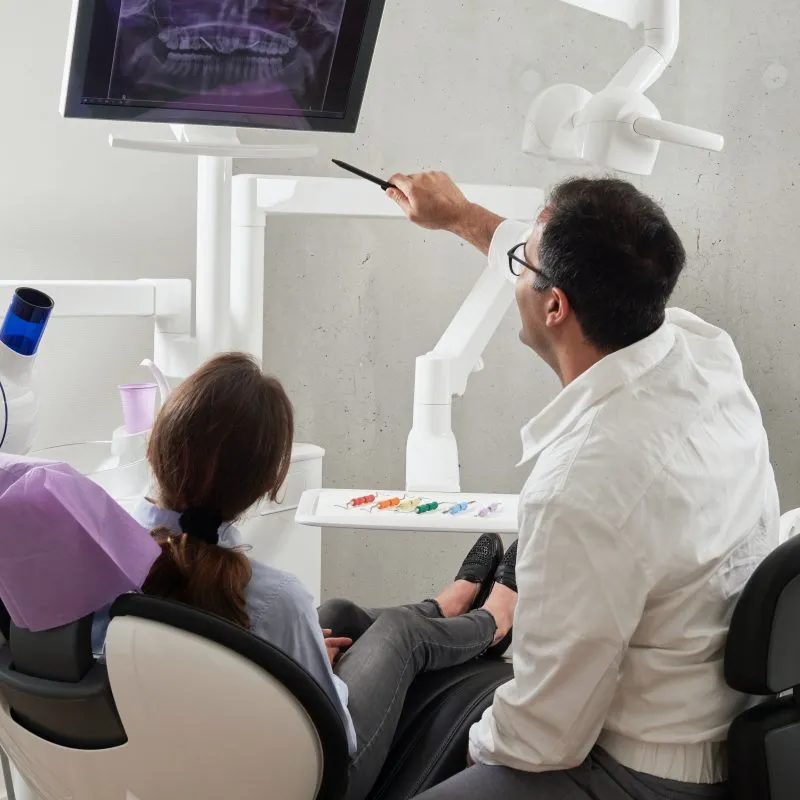
Your dentist will assess the tooth and surrounding gums, review your medical history and may take dental X-rays.

This helps identify the tooth’s condition, root structure and whether a simple extraction is appropriate.

Step 2: Local Anaesthetic

Local anaesthetic is used to numb the tooth and surrounding tissues.

During the procedure, you may feel pressure or movement. If you experience sharp pain, tell your dentist so they can assess your comfort and provide additional anaesthetic if appropriate.

Step 3: Removing the Tooth

For a simple extraction, the dentist carefully loosens the tooth using dental instruments before removing it from its socket.

The approach depends on the tooth’s condition and accessibility.

Step 4: Protecting the Extraction Site

After the tooth is removed, the dentist checks the extraction site and may place gauze to help control bleeding.

A blood clot forms in the socket and plays an important role in healing.

Step 5: Aftercare Instructions

Before you leave, your dentist will explain how to care for the extraction site, manage discomfort and recognise signs that require follow-up.

If the tooth cannot be removed through a straightforward procedure, a surgical approach or referral may be necessary. Your dentist will discuss this with you.

Is Tooth Extraction Painful?

It is understandable to feel concerned about having a tooth removed.

Simple tooth extractions are generally performed using local anaesthetic to help minimise discomfort.

You may experience pressure and movement while the tooth is being loosened, even when the area is numb.

Some tenderness, swelling or discomfort can occur once the anaesthetic wears off. The amount varies depending on the tooth, the procedure and your individual response.

If you feel anxious about dental treatment, tell our team before your appointment. We can discuss your concerns and whether dental sedation is an appropriate option following assessment.

Tooth Extraction in Wellington

Tooth Extraction Aftercare and Recovery

Following your dentist’s aftercare instructions is important for protecting the extraction site and supporting healing.

During the First 24 Hours

  • Bite on gauze for the period recommended by your dentist.
  • Rest and avoid strenuous exercise.
  • Avoid vigorous rinsing or spitting.
  • Avoid smoking or vaping.
  • Avoid drinking through a straw.
  • Choose soft foods and avoid chewing on the affected side.
  • Take pain relief only as directed or when suitable for you.

Avoid eating until the local anaesthetic has worn off sufficiently to reduce the risk of biting your cheek or tongue.

After the First 24 Hours

Your dentist may recommend gentle warm salt-water rinses after the initial healing period.

Continue brushing your other teeth normally and clean carefully around the extraction site as instructed.

Avoid disturbing the socket with your fingers, tongue or toothbrush.

How Long Does Recovery Take?

Recovery varies according to the tooth removed, the complexity of the extraction and your general health.

Many patients notice improvement in discomfort over the first several days, although gum and bone healing continue for longer.

Your dentist can provide more specific advice about returning to work, exercise and normal eating.

What Is Dry Socket After Tooth Extraction?

Dry socket, also known as alveolar osteitis, is a complication that can occur when the protective blood clot in the extraction socket is lost or breaks down before the area has healed sufficiently.

Symptoms may include:

  • Increasing pain a few days after extraction.
  • Pain spreading towards the ear or jaw.
  • An unpleasant taste or smell.
  • An extraction site that appears unusually empty.

Dry socket requires dental assessment and may need treatment to manage discomfort.

Following aftercare instructions, particularly avoiding smoking and activities that disturb the clot, can help reduce the risk.

Contact Real Dentistry if you experience worsening pain after an extraction.

When Should I Contact a Dentist Urgently?

Some discomfort after tooth removal is expected. However, certain symptoms require prompt attention.

Contact a dentist if you experience:

  • Bleeding that does not settle with the recommended pressure.
  • Increasing or severe pain.
  • Worsening swelling.
  • Fever or feeling generally unwell.
  • An unpleasant discharge from the extraction site.
  • Unexpected symptoms following the procedure.

If you have severe toothache, a broken tooth or swelling before treatment, contact our clinic to discuss emergency dental appointments in Wellington.

Seek emergency medical care immediately if facial or mouth swelling causes difficulty breathing or swallowing.

How Much Does Tooth Extraction Cost in Wellington?

  • The cost of tooth extraction depends on the individual tooth and the treatment required.Factors that may affect the fee include:
    • The location and condition of the tooth.
    • Whether X-rays or additional investigations are required.
    • Whether the tooth can be removed through a simple extraction.
    • Whether surgical treatment or specialist referral is necessary.
    • Any additional treatment or follow-up care.

    At Real Dentistry, your dentist will explain the recommended treatment and expected costs following an assessment.

    You can also review our dental payment options before booking.

    If the tooth was damaged in an accident, you may wish to ask about ACC dental injury assistance and whether your circumstances qualify.

What Happens if I Do Not Replace an Extracted Tooth?

Whether a missing tooth should be replaced depends on its location, your bite, the condition of neighbouring teeth and your individual circumstances.

In some cases, leaving a gap can allow adjacent teeth to shift or affect chewing function.

Your dentist may discuss suitable tooth replacement options, including dental bridges, dentures or dental implants.

Not every extracted tooth needs to be replaced. A personalised assessment will help determine the most appropriate approach.

Tooth Extraction in Kilbirnie, Wellington

Real Dentistry provides simple tooth extractions and dental assessments at our Kilbirnie clinic.

We welcome patients from Wellington and surrounding areas, including Miramar, Hataitai and Rongotai.

Our approach is to explain the condition of your tooth, discuss suitable treatment options and help you make an informed decision about your dental care.

Saturday appointments may be available. Please contact reception to confirm appointment availability.

A dentist may recommend extraction when a tooth is severely decayed, fractured, loose or otherwise unsuitable for restoration. A dental examination and sometimes X-rays are needed to determine the appropriate treatment.

Sometimes. Root canal treatment may allow an infected tooth to be retained if it has sufficient healthy structure and can be predictably restored. Your dentist will assess whether this is suitable.

The time required varies depending on the tooth, its roots and the complexity of the procedure. Your dentist can provide an estimate following examination.

You should wait until the local anaesthetic has worn off sufficiently and follow your dentist’s advice. Soft, cool or lukewarm foods are often more comfortable initially. Avoid hard foods and chewing directly over the extraction site.

This depends on the procedure, your comfort and the physical demands of your work. Some patients can return to routine activities relatively soon after a straightforward extraction, while others may need additional rest.

Antibiotics are not routinely necessary after every extraction. Your dentist will determine whether they are appropriate based on the presence and extent of infection and your medical circumstances.

Not necessarily. A simple extraction usually involves removing a tooth that can be accessed without surgical exposure. Some wisdom teeth require more complex procedures or specialist care.

Tooth Extraction in Wellington

Book a Tooth Extraction Assessment in Wellington

If you have a damaged, painful or severely decayed tooth, Real Dentistry can assess the problem and explain whether extraction or another treatment is appropriate.

Real Dentistry — Kilbirnie, Wellington

72 Rongotai Road, Kilbirnie, Wellington 6022

Call 04 387 9392 | Book an Appointment

All treatment recommendations depend on an individual dental assessment. Treatment outcomes and recovery experiences vary.

Need a Tooth Extraction?

If you need a tooth removed due to damage, decay, or overcrowding, Real Dentistry is here to provide safe and efficient simple extractions. Our Kilbirnie team is committed to making the process as smooth and comfortable as possible, ensuring your oral health is restored quickly and effectively.

Book your appointment online or call us at 04 387 9392 to discuss your extraction needs today.

Our Dental ServicesBook Now

Send us a message