Dentures in Wellington – Full & Partial Dentures

Contact UsBook Online

Missing teeth can make everyday activities such as eating, speaking and smiling more difficult. Custom-made dentures offer a practical way to replace missing teeth and restore the appearance and function of your smile.

At Real Dentistry in Kilbirnie, Wellington, we provide full and partial dentures tailored to your individual dental needs. Whether you have lost several teeth or need to replace a complete set, our dental team can help you explore suitable options.

We take time to assess your oral health, explain the treatment process and discuss what you can expect from your new dentures.

Dentures in Wellington – Full & Partial Dentures

What Are Dentures?

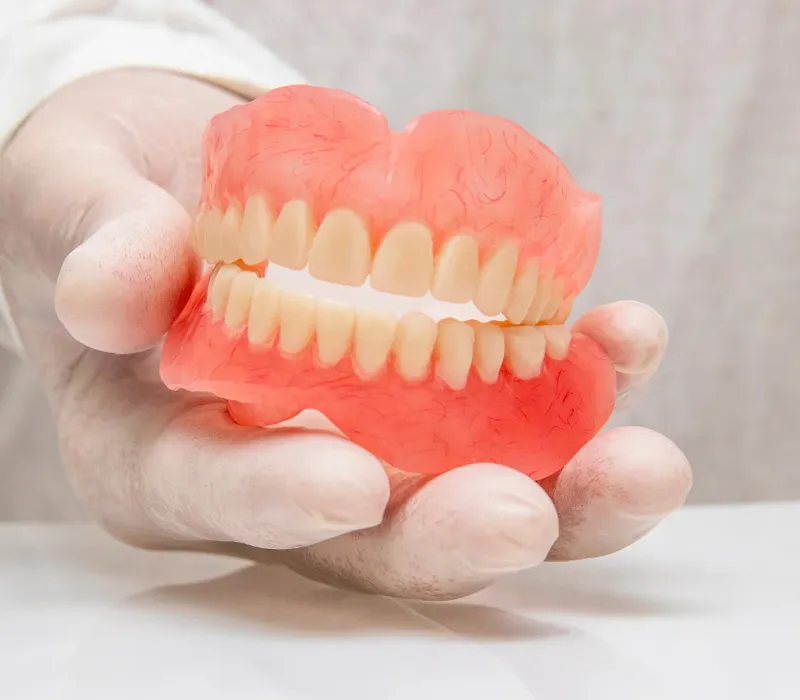
Dentures are removable dental appliances designed to replace missing natural teeth and some of the surrounding gum tissue.

They consist of artificial teeth supported by a base designed to fit your mouth. Depending on the type, dentures may rest on the gums or gain additional support from remaining natural teeth.

Modern dentures are made to provide a natural-looking appearance and help restore everyday functions such as chewing and speaking.

Dentures may be an option for patients who have lost teeth because of decay, gum disease, injury or other dental conditions.

Contact UsBook Online

Types of Dentures Available at Real Dentistry

Full Dentures

Full dentures, also known as complete dentures, replace all the teeth in the upper jaw, lower jaw or both.

They are designed to rest against the gums and underlying tissues. Upper dentures may also cover part of the palate, while lower dentures are shaped to accommodate the tongue.

Full dentures can help restore the appearance of your smile and provide support for the lips and cheeks.

Partial Dentures

Partial dentures replace one or more missing teeth when some healthy natural teeth remain.

They are designed to fit around the existing teeth and may use clasps or other suitable components for support.

Partial dentures can help fill gaps in your smile and improve chewing function without replacing teeth that are still healthy.

Your dentist will assess the remaining teeth and gums to determine whether a partial denture is appropriate.

What Are the Benefits of Dentures?

Dentures can offer several benefits for people with missing teeth:

Improved appearance: Replace visible gaps with natural-looking artificial teeth.

Better chewing function: Help you eat a wider variety of foods compared with having missing teeth.

Speech support: Replace teeth that contribute to forming certain sounds.

Facial support: Help support the lips and cheeks where teeth have been lost.

Removable design: Allow cleaning outside the mouth.

Tooth replacement options: Full and partial designs can be tailored to different patterns of tooth loss.

Dentures also have limitations. They may feel less stable than natural teeth, and some foods can remain difficult to chew. Your dentist will discuss the likely benefits and limitations for your situation.

What Happens During the Denture Treatment Process?

Getting dentures usually involves several stages.

1. Initial Consultation and Examination

Your dentist examines your mouth, remaining teeth and gums.

We discuss your concerns, preferences and the available options for replacing missing teeth.

2. Impressions and Measurements

Impressions or other suitable records are taken to help create dentures that fit the shape of your mouth.

Measurements may also be needed to assess your bite and the relationship between your upper and lower jaws.

3. Denture Design and Trial Fitting

Depending on the denture design, a trial fitting may be arranged to check the position, appearance and bite of the replacement teeth.

Adjustments can be discussed before the final denture is completed.

4. Final Fitting

Your completed dentures are fitted and checked for comfort, appearance and function.

Your dentist will explain how to insert, remove and care for them.

5. Follow-Up and Adjustments

It is common to need adjustments as you become accustomed to wearing dentures.
Your dentist can assess areas of discomfort and recommend changes where appropriate.

The exact number of appointments depends on the type of denture and your treatment needs.

Getting Used to New Dentures

New dentures can feel unfamiliar at first, particularly if you have never worn them before.

You may notice increased saliva, minor changes in speech or difficulty chewing certain foods.

To help with the adjustment period:

  • Start with softer foods and smaller bites.
  • Chew slowly and use both sides of your mouth where possible.
  • Practise speaking or reading aloud.
  • Follow your dentist’s instructions for wearing and removing your dentures.
  • Arrange an assessment if you develop persistent sore spots.

Do not attempt to adjust or reshape your dentures yourself.

How Much Do Dentures Cost in Wellington?

The cost of dentures depends on the treatment required.

Factors include:

  • Whether you need full or partial dentures
  • The number of teeth being replaced
  • The materials and denture design
  • The condition of your remaining teeth and gums
  • Whether additional dental treatment is required
  • The number of appointments and adjustments involved

A dental assessment allows our team to recommend an appropriate option and explain the associated costs.

You can also review Real Dentistry’s payment options.

How Much Do Dental Veneers Cost in Wellington?

The cost of veneers varies depending on the treatment required.

Factors that influence pricing include:

  • Porcelain or composite material
  • The number of teeth being treated
  • The complexity of the cosmetic changes
  • Tooth preparation and laboratory work
  • Any additional dental treatment required

Future maintenance or repair needs
Porcelain veneers generally have a higher initial cost than composite veneers because of the materials and laboratory processes involved.

An individual assessment is needed to determine suitable treatment and provide an accurate quotation.

You can also explore our payment options.

What If My Dentures Become Loose or Uncomfortable?

The shape of your gums and supporting jawbone can change over time, especially after teeth have been removed.

As a result, dentures that previously fitted well may gradually become loose or uncomfortable.

Signs that your dentures need assessment include:

  • Movement when speaking or eating
  • Repeated sore spots
  • Difficulty chewing
  • Changes in your bite
  • Cracks or damage to the denture

Your dentist can examine the fit and discuss whether adjustment, relining, replacement or another solution is appropriate.

Dentures vs Dental Implants: What Is the Difference?

Traditional dentures are removable and generally rest on the gums, sometimes with support from remaining natural teeth.

Dental implants are placed in the jawbone and can support different types of tooth replacement.

For patients who experience difficulty with denture stability, implant-supported dentures may be worth discussing.

Real Dentistry also offers dental implants and other tooth replacement options.
The most suitable treatment depends on your oral health, the number of missing teeth, bone support, preferences and budget.

Dentures vs Dental Implants: What Is the Difference?

Good denture care helps maintain their condition and supports healthy gums.

  • Remove and clean your dentures daily with a suitable denture brush and cleaner.
  • Avoid abrasive products that could damage the denture surface.
  • Clean your gums, tongue and any remaining natural teeth.
  • Follow your dentist’s instructions about removing dentures overnight.
  • Store dentures safely in water or a recommended solution when appropriate for the material.
  • Attend regular dental examinations, even if you no longer have natural teeth.

Avoid using hot water, which may distort certain denture materials.

The timeframe varies depending on the type of denture, the number of appointments and whether additional dental treatment is needed. Your dentist can provide an estimated timeframe after assessing your mouth.

Full dentures can take time to get used to. Some initial discomfort or changes in chewing and speech are common. Persistent pain or sore spots should be assessed.

Dentures can improve chewing ability, but they do not always provide the same biting force or stability as natural teeth. Some hard or sticky foods may remain difficult.

Dentures can last for several years, but their lifespan varies with use, material, maintenance and changes in your mouth. Periodic adjustments or replacement may be needed.

Patients are generally advised to remove conventional dentures overnight to allow the oral tissues to rest, unless their dentist gives different instructions.

Full dentures replace all teeth in one or both jaws. Partial dentures replace some missing teeth while other natural teeth remain.

In some cases, a removable partial denture can replace a single tooth. Other options may include a single tooth replacement using an implant or bridge.

Yes. Regular examinations help assess your gums, oral tissues, denture fit and general oral health, even if you have no remaining natural teeth.

Dentures in Wellington – Full & Partial Dentures

Dentures in Kilbirnie, Wellington

If you are considering dentures or are experiencing problems with missing teeth, Real Dentistry can help you explore your treatment options.

Visit our team at 72 Rongotai Road, Kilbirnie, Wellington, or call 04 387 9392 to arrange a consultation.

Ready for Comfortable, Natural-Looking Dentures?

If you’re looking to restore your smile with full or partial dentures, Real Dentistry in Kilbirnie can provide high-quality, custom-made solutions tailored to your needs. Our experienced team is here to help you achieve a comfortable fit and a natural look, so you can enjoy life with confidence again.

Book your consultation online or call us at 04 387 9392 to discuss your denture options today.

Our Dental ServicesBook Now

Send us a message