Dental Crowns in Wellington – Restore & Protect Damaged Teeth

Contact UsBook Online
3D render of dental crown

A damaged, cracked or weakened tooth can make eating uncomfortable and affect your confidence in your smile. A dental crown may help restore the tooth’s strength, shape and appearance while protecting the remaining natural tooth structure.

At Real Dentistry in Kilbirnie, Wellington, we provide custom-made dental crowns for teeth affected by extensive decay, fractures, wear or previous dental treatment.

Our dental team will examine your tooth, explain the available restoration options and help you understand whether a crown is the right treatment for your needs.
What Is a Dental Crown?

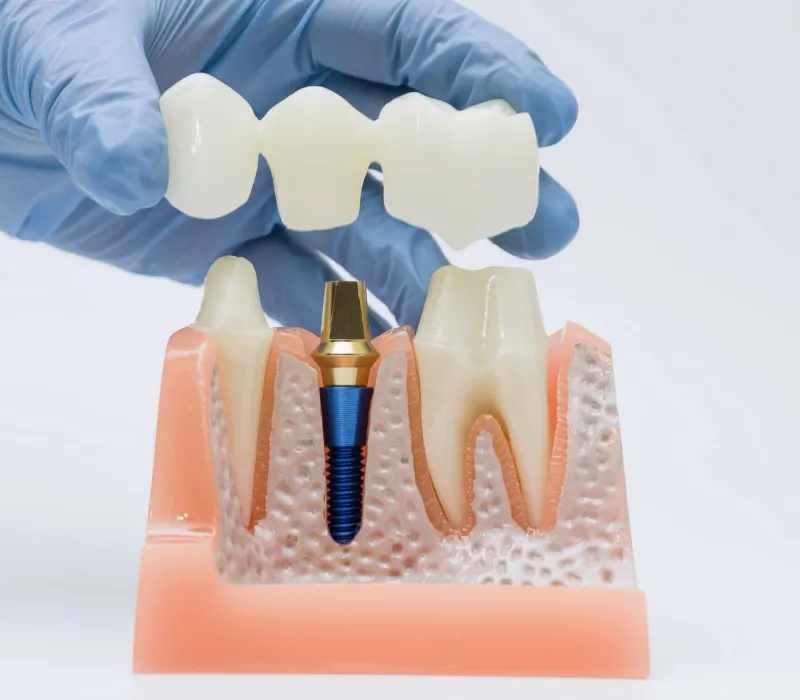
A dental crown, sometimes called a tooth cap, is a custom-made restoration that fits over the visible part of a prepared tooth.

Unlike a filling, which repairs a specific damaged area, a crown covers the tooth to restore its shape, function and appearance.

Dental crowns are commonly used when a tooth has lost too much natural structure to be reliably repaired with a conventional filling.

Crowns can also be used as part of a dental bridge to replace missing teeth.

Contact UsBook Online

When Might You Need a Dental Crown?

Your dentist may recommend a dental crown if you have:Crowns are typically made from durable materials such as porcelain, ceramic, or metal, and are designed to match the colour and shape of your surrounding teeth.

  • A cracked or fractured tooth: A crown may help protect and restore a tooth with significant structural damage.
  • A large cavity: Extensive decay can leave insufficient healthy tooth structure for a conventional filling.
  • A weakened tooth with a large filling: A crown may be recommended when an existing restoration no longer provides adequate support.
  • A tooth treated with root canal therapy: Some root canal-treated teeth benefit from a crown, particularly back teeth exposed to strong chewing forces.
  • A severely worn tooth: A crown may help restore the tooth’s original shape and function.
  • A discoloured or misshapen tooth: A crown may be considered when a more conservative cosmetic treatment is unsuitable.

Not every damaged tooth needs a crown. The most appropriate treatment depends on the amount of healthy tooth remaining, the tooth’s condition and your individual needs.

Benefits of Dental Crowns

Dental crowns can provide several benefits:

Strength and Protection

A crown covers the prepared tooth and may help reduce the risk of further structural damage.

Restored Chewing Function

By rebuilding a damaged tooth’s shape, a crown can help improve biting and chewing comfort.

Natural-Looking Appearance

Tooth-coloured crown materials can be selected to complement the appearance of surrounding teeth.

Customised Fit

Each crown is made to fit the prepared tooth and work with your bite.

Long-Term Restoration

With appropriate care, dental crowns can function for many years. Their lifespan varies depending on the material, tooth condition, chewing habits and oral hygiene.

What Materials Are Used for Dental Crowns?

Dental crowns can be made from several materials. The most suitable option depends on the tooth’s location, appearance requirements and the forces placed on it.

Porcelain and ceramic crowns: These tooth-coloured materials can provide a natural-looking restoration and are commonly considered for visible teeth.

Zirconia crowns: Zirconia is a strong ceramic material used for certain dental restorations, including crowns exposed to substantial chewing forces.

Metal and porcelain-fused-to-metal crowns: These are other established options that may be appropriate in particular circumstances.

Your dentist will explain which materials are suitable for your tooth and which options are available at Real Dentistry.

Dental Crown vs Dental Filling: Which Do You Need?

Both dental fillings and crowns repair damaged teeth, but they are used in different situations.

A dental filling generally repairs a smaller area of decay or damage while preserving the remaining tooth structure.

A dental crown covers the prepared tooth and may be recommended when substantial tooth structure has been lost or additional protection is needed.

For a small cavity, a tooth-coloured dental filling may be sufficient. For a heavily damaged tooth, a crown or another restoration may provide a more suitable result.

The decision should follow a clinical examination rather than the appearance of the tooth alone.

What Happens During a Dental Crown Procedure?

Getting a dental crown commonly involves two appointments.

1. Dental Examination and Treatment Planning

Your dentist assesses the affected tooth and may recommend dental X-rays.
The examination helps determine whether the tooth can be restored with a crown and whether any additional treatment is required.

2. Preparing the Tooth

Local anaesthetic may be used to improve comfort.
Your dentist removes decay where necessary and carefully prepares the tooth so the crown can fit over it.

An impression or scan is taken to help create a custom restoration.

3. Temporary Crown

A temporary crown is usually fitted to protect the prepared tooth while the permanent crown is being made.

You will receive instructions about caring for the temporary restoration.

4. Fitting the Permanent Crown

At the next appointment, your dentist removes the temporary crown and checks the permanent crown’s fit, appearance and bite.

Once the fit is satisfactory, the crown is secured in place.
The number of visits and treatment steps may vary depending on your individual circumstances.

Dental Crowns After Root Canal Treatment

A tooth that has undergone root canal treatment may need additional protection, particularly if it has lost substantial natural structure.

In some cases, a crown is recommended to restore function and reduce the risk of fracture.

However, not every root canal-treated tooth requires a crown. Your dentist will consider the tooth’s location, remaining structure and biting forces.

Learn more about root canal treatment at Real Dentistry.

How Much Does a Dental Crown Cost in Wellington?

The cost of a dental crown depends on several factors, including:

  • The material selected
  • The condition and location of the tooth
  • The amount of preparation required
  • Whether a filling or core build-up is needed
  • Whether additional treatment is required before placing the crown

Because every tooth is different, an examination is needed to determine the appropriate treatment and provide an accurate estimate.

Our team can explain the proposed treatment and costs before you proceed.

You can also explore our payment options.

How Long Do Dental Crowns Last?

Dental crowns can last for many years, but no crown lasts indefinitely.

Their lifespan depends on factors such as oral hygiene, crown material, the health of the underlying tooth, grinding or clenching habits and the amount of force placed on the restoration.

To help maintain your crown:

  • Brush twice daily with fluoride toothpaste.
  • Clean between your teeth every day.
  • Attend regular dental examinations and hygiene appointments.
  • Avoid using your teeth to open packaging or bite hard objects.
  • Discuss teeth grinding or clenching with your dentist.
  • Contact your dentist if your crown becomes loose, damaged or uncomfortable.

Although the crown itself cannot develop a cavity, decay can still affect the natural tooth around its margins.

Local anaesthetic is commonly used during tooth preparation. You may experience temporary sensitivity or discomfort afterwards. Contact your dentist if pain is severe or persistent.

A conventional dental crown commonly requires two appointments: one to prepare the tooth and another to fit the final restoration. Additional appointments may be needed in some cases.

A crown may restore a damaged tooth if sufficient healthy structure and support remain. Teeth with extensive fractures, decay or other problems may require alternative treatment.

Once your permanent crown is fitted and your dentist has advised that it is appropriate, you can generally return to normal eating. Avoid chewing while your mouth is numb and follow any specific instructions.

Contact your dentist promptly for assessment. Keep the crown safe if it has come off, and avoid chewing on the affected tooth. Do not attempt to secure it with household glue.

Neither treatment is automatically better. A filling may be appropriate for smaller areas of damage, while a crown may be recommended when more tooth structure needs protection.

Yes. The natural tooth beneath and around a crown can still develop decay, particularly near the crown’s edges. Good oral hygiene and regular dental examinations remain important.

Dental Crowns in Kilbirnie, Wellington

If you have a broken, heavily filled or weakened tooth, the team at Real Dentistry, 72 Rongotai Road, Kilbirnie, can assess your dental health and discuss suitable restorative treatment.

We focus on helping patients understand their options and make informed decisions about their oral health.

Contact Real Dentistry on 04 387 9392 to arrange a dental assessment.

Ready to Strengthen Your Smile?

If you have a damaged or weakened tooth, a dental crown can provide the protection and durability you need. At Real Dentistry in Kilbirnie, our experienced team is here to guide you through the process, ensuring you receive a high-quality, custom-made crown that restores both the look and function of your tooth.

Book your consultation online or call us at 04 387 9392 to discuss your dental crown options today.

Our Dental ServicesBook Now

Send us a message