Dental Bridges in Wellington – Replace Missing Teeth

Contact UsBook Online
3D render of dental bridge

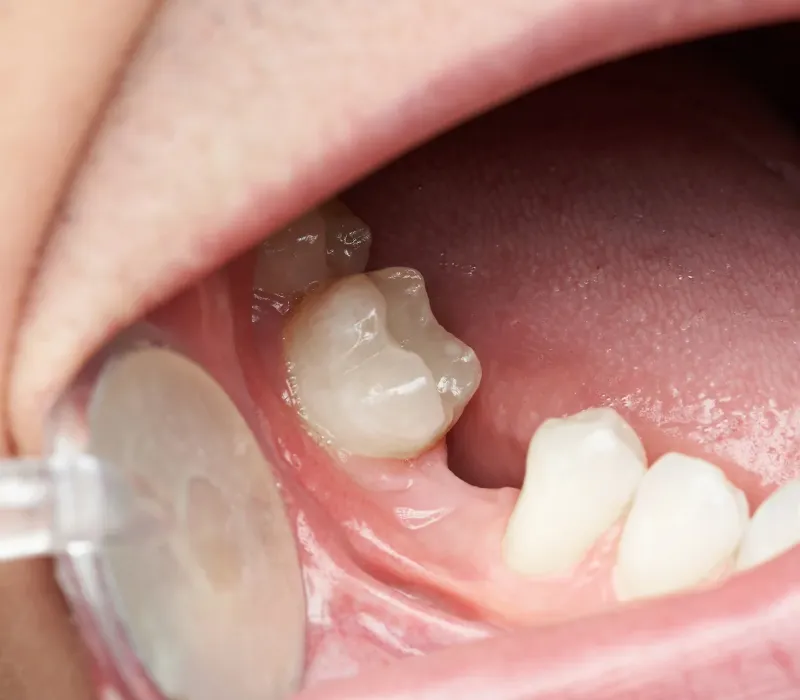
Missing one or more teeth can affect your smile, confidence and ability to eat comfortably. A dental bridge offers a fixed, natural-looking way to replace missing teeth without requiring dental implant surgery.

At Real Dentistry in Kilbirnie, Wellington, we provide custom-made dental bridges designed to restore your smile and support everyday chewing and speaking.

Whether you have lost a tooth due to decay, injury or extraction, our dental team can assess your oral health and help you explore suitable tooth replacement options.
What Are Dental Bridges?

What Is a Dental Bridge?
A dental bridge is a fixed dental restoration that fills the gap created by one or more missing teeth.

A traditional dental bridge consists of an artificial replacement tooth, called a pontic, supported by crowns fitted over the natural teeth on either side of the gap. These supporting teeth are known as abutment teeth.

The bridge is custom-made to complement the appearance of your existing teeth and restore the missing portion of your smile.

Unlike a removable partial denture, a fixed dental bridge stays in place during normal daily activities.

Contact UsBook Online

Benefits of Dental Bridges

Dental bridges can offer several benefits for suitable patients:

  • Natural-looking results: Custom-made restorations are designed to blend with your surrounding teeth.
  • Improved chewing: Replacing missing teeth can make eating more comfortable.
  • Clearer speech: A bridge may help with speech difficulties caused by gaps in your teeth.
  • Fixed tooth replacement: A conventional bridge remains securely attached to its supporting teeth.
  • Maintains tooth alignment: Filling a gap can help reduce unwanted movement of neighbouring teeth.
  • No implant surgery: Traditional bridges can replace missing teeth without surgically placing an implant.

With good oral hygiene and regular dental care, a dental bridge can provide many years of service.

Who Is Suitable for a Dental Bridge?

A dental bridge may be suitable if you have one or more missing teeth and want a fixed replacement.

Your dentist will assess several factors before recommending treatment:

  • The number and location of missing teeth
  • The condition of the neighbouring teeth
  • Gum health and supporting bone
  • Your bite and chewing forces
  • Your oral hygiene
  • Your treatment preferences and budget

Traditional bridges generally require sufficiently healthy supporting teeth.
These teeth often need to be reshaped to accommodate the crowns that hold the bridge in place.

If the neighbouring teeth are not suitable for supporting a bridge, your dentist may recommend exploring other replacement options.

What Happens During Dental Bridge Treatment?

1. Dental Examination and Consultation

Your dentist examines your teeth, gums and bite to determine whether a dental bridge is appropriate.

We will discuss the proposed restoration, expected treatment stages and costs before proceeding.

2. Preparing the Supporting Teeth

For a conventional dental bridge, the neighbouring teeth are carefully prepared to make room for the supporting crowns.

Local anaesthetic may be used to keep you comfortable during this stage.

3. Impressions and Temporary Bridge

Impressions or digital scans are taken to help create a custom-made bridge.
A temporary restoration may be fitted while your final bridge is being made, depending on the treatment plan.

4. Fitting Your Dental Bridge

Once the final bridge is ready, your dentist checks its fit, appearance and bite.

Any necessary adjustments are made before the bridge is secured in place.
Your dentist will explain how to clean around the restoration and maintain the health of the supporting teeth.

Dental Bridges vs Dental Implants

Dental bridges and dental implants can both replace missing teeth, but they work differently.

A conventional bridge uses neighbouring teeth for support. It does not require implant surgery and may involve a shorter treatment timeframe.

A dental implant is surgically placed into the jawbone and supports a replacement crown without relying on adjacent teeth. Implant treatment generally requires a longer healing period.

Neither option is automatically best for everyone. The right treatment depends on your oral health, the condition of neighbouring teeth, available bone and personal preferences.

At Real Dentistry, we also provide dental implants in Wellington, including onsite surgical placement for suitable patients.

For a detailed comparison, read our guide to dental bridges vs dental implants in Wellington.

How Much Does a Dental Bridge Cost in Wellington?

The cost of a dental bridge depends on your individual treatment needs.

Factors that can affect the price include:

  • The number of teeth being replaced
  • The number of supporting crowns required
  • The material and design of the bridge
  • The condition of the supporting teeth
  • Whether additional dental treatment is needed

At Real Dentistry, we can assess your teeth and discuss a personalised treatment plan and cost estimate.

You can also review our dental payment options.

How to Care for Your Dental Bridge

Good daily cleaning is essential for maintaining your bridge and the natural teeth supporting it.

Brush your teeth twice daily using fluoride toothpaste and clean carefully around the bridge.

Because the artificial tooth is connected to the supporting crowns, ordinary floss cannot pass between these sections in the same way it does between natural teeth.

Your dentist may recommend a floss threader, interdental brush or other suitable cleaning aid to remove plaque and food debris beneath the replacement tooth.

Regular dental examinations and professional cleaning also help identify problems early.

Dental bridges can last for many years with appropriate care. Their lifespan depends on factors such as oral hygiene, the health of supporting teeth, bite forces and regular dental maintenance.

The supporting teeth are generally prepared using local anaesthetic when needed. Some temporary sensitivity or discomfort may occur afterwards, but your dentist will explain what to expect.

Yes. Some bridges can replace multiple neighbouring missing teeth. Suitability depends on the number of teeth missing, the supporting teeth and the forces placed on the restoration

Yes. A traditional dental bridge is supported by neighbouring natural teeth and does not require dental implant surgery.

Special floss, floss threaders or interdental cleaning aids can help clean beneath the artificial tooth. Your dentist can demonstrate the most appropriate technique for your restoration.

Both treatments have advantages and limitations. Bridges avoid implant surgery but usually rely on neighbouring teeth. Implants do not generally require preparation of adjacent teeth, but involve surgery and healing. Your dentist can help you compare the options.

Yes. A dental bridge may be suitable for replacing a single missing tooth. You can also explore our single tooth replacement options.

Ready to Restore Your Smile?

If you’re missing one or more teeth, a dental bridge could be the ideal solution to restore your smile and protect your oral health. At Real Dentistry in Kilbirnie, our experienced team is here to guide you through every step of the process, ensuring you receive a comfortable, high-quality result.

Book your consultation online or call us at 04 387 9392 to discuss your dental bridge options.

Our Dental ServicesBook Now

Send us a message