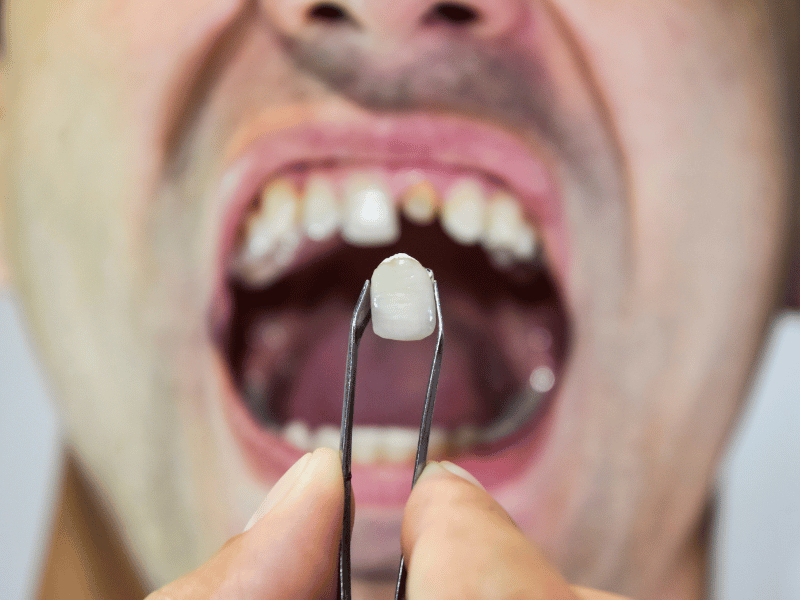
Missing teeth can affect more than your smile. They may make chewing difficult, change how you speak, and influence your confidence. Fortunately, several modern treatments can help restore your smile and improve everyday oral function. If you are exploring tooth replacement options in Wellington, understanding the differences between dental implants, dental bridges, and dentures can help you make an informed decision with your dentist.
At Real Dentistry, patients can discuss suitable tooth replacement solutions based on their oral health, preferences, and individual needs.
Why Is Missing Teeth Replacement Important?
A missing tooth can leave a gap that affects chewing and may allow neighbouring teeth to shift over time. Depending on the location and number of missing teeth, it can also affect your bite and the appearance of your smile.
Seeking advice about missing teeth replacement in Wellington can help you understand your options before further problems develop. Your dentist can examine the affected area, assess your gum health, and discuss treatments appropriate for your situation.
Common Reasons for Tooth Loss
Tooth loss can occur because of:
- Advanced tooth decay or gum disease.
- Accidents or dental injuries.
- Severe tooth damage that cannot be restored.
- Certain oral health conditions.
Replacing a missing tooth is not always urgent, but a dental assessment can help determine whether treatment is recommended.
What Are the Main Tooth Replacement Options in Wellington?
The most suitable treatment depends on how many teeth are missing, the condition of the surrounding teeth, your jawbone health, and your budget.
1. Dental Implants
Dental implants are a tooth replacement option designed to support a crown, bridge, or denture. A small implant is placed in the jawbone to act as an artificial tooth root. After healing, the replacement tooth can be attached.
Patients researching dental implants in Wellington may consider this option when they want a fixed replacement that looks and functions similarly to a natural tooth.
Potential benefits:
- A fixed replacement for a missing tooth.
- No need to rely on neighbouring teeth for support when replacing a single tooth.
- With appropriate care, implants can provide a long-lasting solution.
Implant treatment requires assessment of bone health, gum condition, and overall suitability. Healing and treatment times vary between patients.
Who May Be Suitable for Dental Implants?
People with healthy gums and sufficient jawbone may be candidates. Some patients may need additional treatment before implant placement. Your dentist can explain the options after an examination.
2. Dental Bridges
Dental bridges replace one or more missing teeth by placing artificial teeth in the gap and supporting them with neighbouring teeth or dental implants, depending on the bridge design.
For patients comparing dental bridges in Wellington, a traditional tooth-supported bridge may be suitable when the adjacent teeth can support the restoration.
Potential benefits:
- A fixed replacement option.
- Can restore chewing function and appearance.
- May be completed without implant surgery.
A conventional bridge may require reshaping supporting teeth, and the surrounding teeth need ongoing care to help maintain the restoration.
3. Dentures
Dentures are removable appliances that replace some or all missing teeth. Depending on your needs, your dentist may recommend partial dentures, complete dentures, or implant-supported dentures.
Dentures can be an option for patients missing several teeth or an entire arch. They require regular cleaning, and adjustments may be needed as your mouth changes over time.
Dental Implants vs Bridges vs Dentures
Each treatment has advantages and limitations. There is no single best solution for every patient.
| Feature | Dental Implants | Dental Bridges | Dentures |
| Removable | Usually fixed | Usually fixed | Usually removable |
| Surgery | Usually required | Not always | Not always |
| Adjacent teeth | Single implants generally do not rely on neighbouring teeth | Traditional bridges use supporting teeth | Depends on design |
| Maintenance | Daily oral hygiene and professional reviews | Care around the bridge and supporting teeth | Daily cleaning and periodic adjustments |
| Suitability | Depends on bone, gums and health | Depends on supporting teeth or implants | Depends on oral anatomy and treatment needs |
Your dentist can explain the expected treatment time, maintenance requirements, and costs for each option.
How Do You Choose the Right Tooth Replacement?
Before deciding, consider the following factors.
Oral Health and Bone Condition
Healthy gums and suitable bone support are particularly important for dental implants. Other treatments may be preferable depending on your clinical findings.
Budget and Long-Term Maintenance
Compare the initial cost as well as ongoing maintenance. Ask your dentist about likely appointments, repairs, replacement needs, and any additional procedures.
Comfort and Personal Preferences
Some patients prefer fixed teeth, while others choose removable dentures. Your lifestyle, expectations, and ability to maintain oral hygiene can influence the decision.
Questions to Ask Your Dentist
- Which treatment is suitable for my missing tooth or teeth?
- How long will treatment take?
- What will the treatment and maintenance cost?
- What are the risks and alternatives?
- How should I care for the replacement?
Explore Tooth Replacement Options at Real Dentistry
If you are considering replacing missing teeth, Real Dentistry can help you explore appropriate treatment options. A dental consultation can assess your oral health and help you understand the advantages, limitations, and expected care requirements of each approach.
Visit the Dental Implants or Dental Bridges service pages to learn more about these treatments. You can also contact Real Dentistry to enquire about an appointment in Wellington.
Frequently Asked Questions
1. What is the best tooth replacement option?
The best option depends on your oral health, the number of missing teeth, your preferences, and your budget. Dental implants, bridges, and dentures can all be appropriate in different circumstances.
2. How much does tooth replacement cost in Wellington?
Costs vary according to the treatment, the number of teeth being replaced, and whether additional procedures are required. Request an individual treatment plan and written estimate from your dentist.
3. Are dental implants better than dental bridges?
Neither is universally better. Implants may avoid using neighbouring teeth for support, while bridges may be suitable when supporting teeth are available or implant surgery is not preferred.
4. How long does tooth replacement take?
A bridge or denture may be completed over several appointments. Dental implant treatment often takes longer because healing is required before the final restoration can be fitted. Your dentist can provide an individual timeline.
5. Can missing teeth be replaced if I have gum disease?
Treatment may still be possible, but active gum disease generally needs to be managed first. Your dentist will assess your gums and recommend a suitable treatment plan.
Final thoughts: Exploring tooth replacement options in Wellington can help you understand how dental implants, bridges, and dentures differ. A professional assessment at Real Dentistry is the best way to determine which solution may suit your needs and support your long-term oral health.
Your Healthier, More Confident Smile Starts Here!
Your smile deserves the right care. Whether you need preventive dental care, want to improve your smile, or are considering a dental treatment, Real Dentistry in Wellington is here to help you take the next step with confidence.
Don’t wait to prioritise your dental health. Get in touch with our friendly team today to discuss your needs, explore your treatment options, and arrange your appointment.
Call us: 04 387 9392
Email us: info@realdentistry.co.nz
Ready to get started? Book a consultation with Real Dentistry