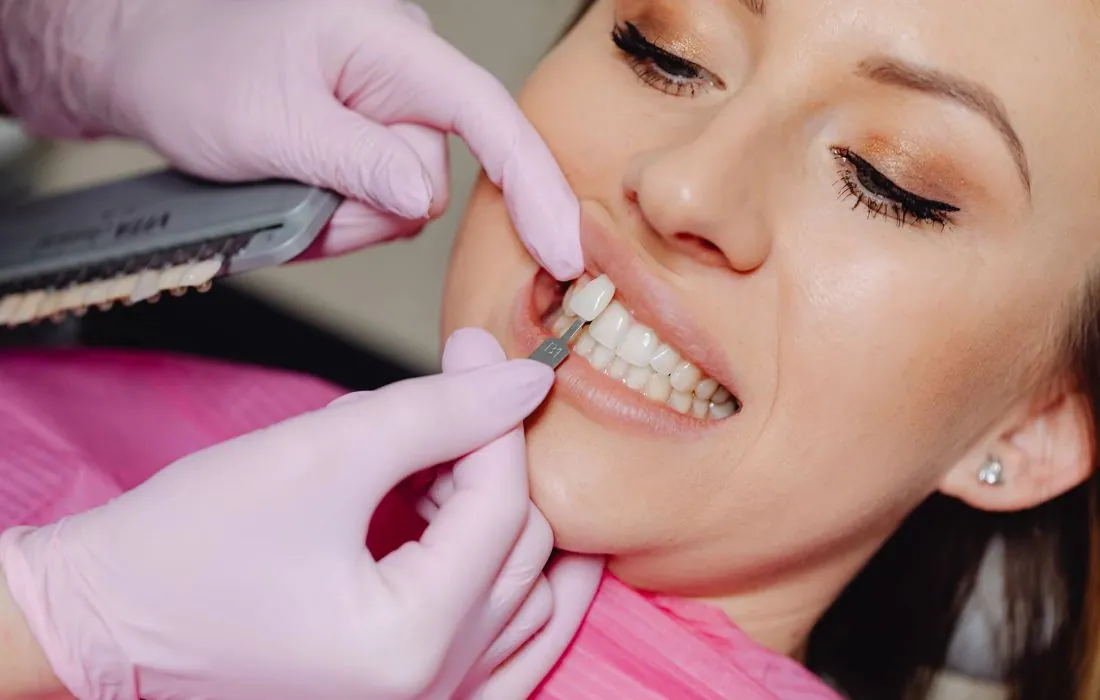
If you are unhappy with the colour, shape or appearance of certain teeth, dental veneers may be one option worth discussing with a dentist. Veneers can improve selected cosmetic concerns by placing a thin covering over the visible surface of a tooth.
Dental veneers in Wellington are often considered by people who want to change the appearance of their smile, particularly when whitening alone cannot address their concerns.
However, veneers are not suitable for everyone. A dental assessment is important to determine whether they are appropriate for your teeth, gums, bite and desired outcome.
What Are Dental Veneers?
Dental veneers are thin shells or coverings designed to sit over the visible surface of a tooth. They can be used to change aspects of a tooth’s appearance, such as its colour, shape or proportions.
Depending on the material and treatment approach, veneers can be used for selected cosmetic concerns, including:
- Discoloured teeth
- Worn or uneven-looking teeth
- Minor shape irregularities
- Certain gaps between teeth
- Chipped or damaged-looking enamel
- Teeth with cosmetic imperfections
Veneers are primarily a cosmetic treatment, although they may be considered as part of a broader restorative treatment plan in some cases.
Types of Dental Veneers
Different veneer materials and techniques are available. Your dentist can recommend an option based on your oral health, cosmetic goals and treatment requirements.
Porcelain Veneers
Porcelain veneers are custom-made coverings designed to provide a natural-looking appearance. They are commonly considered when patients want a longer-term cosmetic solution for selected teeth.
The treatment usually involves careful planning, tooth preparation where required, and fabrication of the veneers before they are fitted.
Composite Veneers
Composite material can also be used to improve the appearance of teeth. Depending on the case, composite treatment may require less tooth preparation and can sometimes be completed more quickly than laboratory-made porcelain veneers.
However, composite and porcelain have different characteristics, maintenance requirements and expected longevity.
What Problems Can Dental Veneers Address?
Veneers may be suitable for several cosmetic concerns, but they are not a universal solution.
Tooth Colour
If certain teeth have persistent discolouration that does not respond sufficiently to whitening, veneers may be discussed as an alternative.
However, whitening is generally the less invasive option when tooth colour is the only concern.
Tooth Shape
Veneers can alter the visible shape and proportions of selected teeth, helping create a more balanced appearance.
Minor Gaps
In some cases, veneers can visually reduce small spaces between teeth. Larger gaps or gaps caused by bite or alignment issues may require a different treatment approach.
Chipped or Uneven Teeth
A veneer may be considered for certain cosmetic chips or irregular edges. The appropriate treatment depends on the extent and location of the damage.
How Does Dental Veneer Treatment Work?
The treatment process varies depending on the type of veneers and your individual needs.
Step 1: Consultation and Assessment
Your dentist first examines your teeth and gums and discusses what you want to change.
This stage is important because problems such as decay, gum disease or significant bite issues may need treatment before cosmetic work begins.
Step 2: Treatment Planning
Your dentist considers the colour, shape and proportions you want to achieve. The number of teeth requiring treatment is also considered.
A detailed plan helps establish realistic expectations before treatment starts.
Step 3: Tooth Preparation
Depending on the type of veneer, some tooth preparation may be required. Your dentist will explain how much preparation is necessary and why.
This is one reason veneers should be carefully considered before treatment.
Step 4: Veneer Fabrication
For laboratory-made veneers, the final restorations are produced according to the treatment plan.
Step 5: Fitting
Once the veneers are ready, your dentist checks their fit, appearance and overall suitability before completing the treatment.
How Much Do Dental Veneers Cost in Wellington?
There is no single price for dental veneers because treatment costs depend on several factors.
These may include:
- Type of veneer selected
- Number of teeth being treated
- Preparation required
- Laboratory costs
- Complexity of the case
- Additional dental treatment required
- Follow-up appointments
A consultation provides a more accurate estimate because the dentist can assess your teeth and determine which treatment approach is appropriate.
When comparing veneer prices, consider more than the initial cost. The material, treatment planning, dentist’s experience and ongoing maintenance can all influence the overall value of treatment.
Benefits of Dental Veneers
For suitable patients, veneers can offer several cosmetic benefits.
Improved Smile Appearance
Veneers can change the visible colour, shape and appearance of selected teeth.
Customised Treatment
Treatment can be planned around individual smile characteristics rather than using a one-size-fits-all approach.
Natural-Looking Results
Modern dental materials can be designed to resemble natural tooth structure. Your dentist can discuss the colour and appearance appropriate for your smile.
Address Multiple Cosmetic Concerns
Depending on the case, veneers may address more than one cosmetic issue at the same time, such as tooth colour and shape.
How Long Do Dental Veneers Last?
Veneers are not necessarily permanent. Their lifespan depends on the material, oral hygiene, bite, lifestyle and how well they are maintained.
Habits such as biting hard objects, using teeth to open packaging or grinding your teeth can increase the risk of damage.
Regular dental examinations and good oral hygiene can help your dentist monitor the condition of your veneers and natural teeth.
Are Dental Veneers Right for Everyone?
Veneers are not automatically the best option for every patient.
Your dentist may recommend another approach if you have untreated:
- Tooth decay
- Gum disease
- Significant tooth damage
- Severe bite problems
- Poor oral hygiene
Patients who grind or clench their teeth may also need additional assessment before veneers are considered.
If the underlying issue is tooth alignment, for example, orthodontic treatment may be more appropriate than covering the teeth with veneers.
Dental Veneers vs Teeth Whitening
The right treatment depends on the problem you are trying to solve.
Teeth whitening is primarily designed to lighten the colour of natural teeth. It does not change their shape or size.
Dental veneers can change the visible appearance of selected teeth, including aspects of colour and shape.
If staining is your only concern, whitening may be a more conservative starting point. If you want to address several cosmetic characteristics, veneers may be discussed with your dentist.
For a broader overview of cosmetic treatment options, see our guide to Cosmetic Dentistry in Wellington: Treatments, Costs, Benefits and How to Improve Your Smile.
Caring for Your Dental Veneers
Good oral hygiene remains important after veneer treatment.
You should:
- Brush your teeth regularly
- Clean between your teeth
- Attend regular dental examinations
- Avoid using your teeth as tools
- Follow your dentist’s maintenance advice
- Tell your dentist if you experience sensitivity, discomfort or damage
Although veneers cover part of a tooth, the underlying tooth and surrounding gums still require proper care.
Frequently Asked Questions
1. How much do dental veneers cost in Wellington?
The cost depends on the type of veneer, number of teeth treated, preparation required and complexity of the case. A consultation is needed to provide an individual treatment estimate.
2. Are dental veneers permanent?
Veneers are considered a long-term cosmetic treatment but are not guaranteed to last forever. They may eventually require repair or replacement.
3. Do veneers damage natural teeth?
Some veneer treatments require tooth preparation, so the decision should be made carefully with a qualified dental professional. Your dentist can explain the amount of preparation required for your proposed treatment.
4. Are porcelain or composite veneers better?
Neither option is universally better. Porcelain and composite veneers have different characteristics, costs, treatment processes and maintenance requirements. Your dentist can recommend the most suitable option for your circumstances.
5. Can I get veneers if my teeth are crooked?
It depends on the degree of misalignment and your overall dental health. In some cases, orthodontic treatment may be more appropriate. A dental assessment can help determine the best approach.
Planning Dental Veneers in Wellington
Dental veneers can provide a way to address selected cosmetic concerns involving tooth colour, shape and appearance. However, they require careful planning and should be considered alongside less invasive alternatives where appropriate.
The best treatment is the one that fits your oral health, cosmetic goals and long-term expectations.
If you are considering dental veneers in Wellington, Real Dentistry can assess your smile and discuss the treatment options that may be suitable for you.
- Call: 04 387 9392
- Email: info@realdentistry.co.nz
- Book an appointment: Contact Real Dentistry